

Bathtubs
Titan oval
Titan Oval Freestanding bathtub
Request a quote for this product from our retail representatives
Sales networkDetails
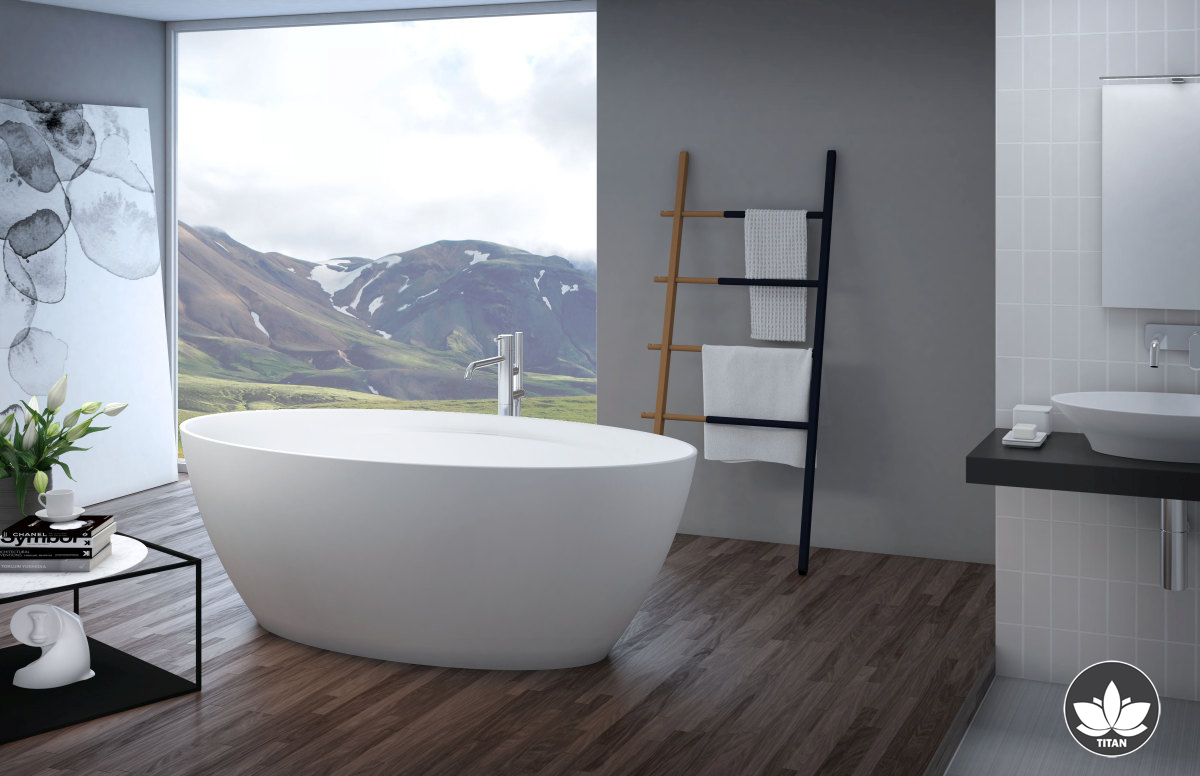
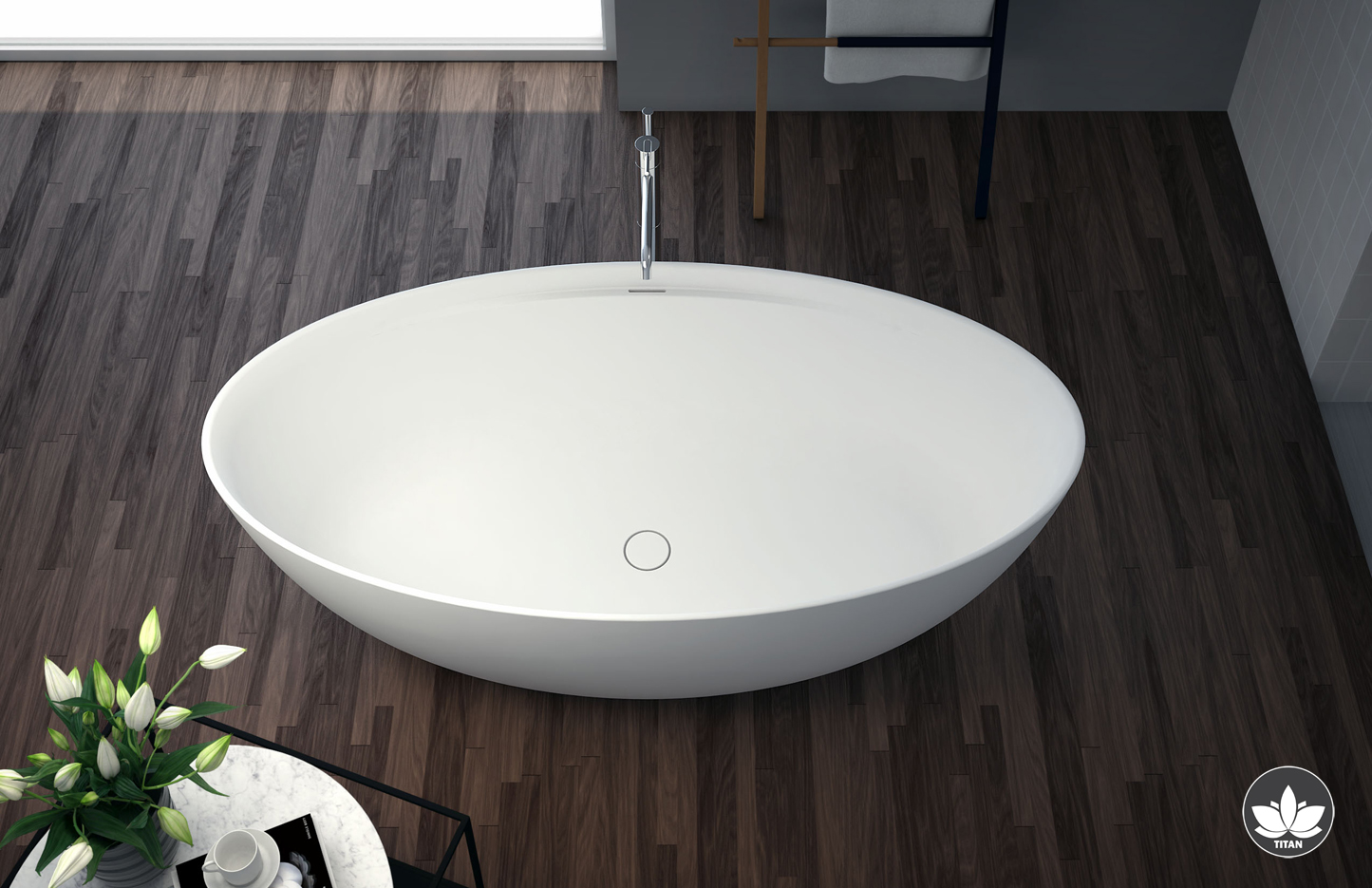
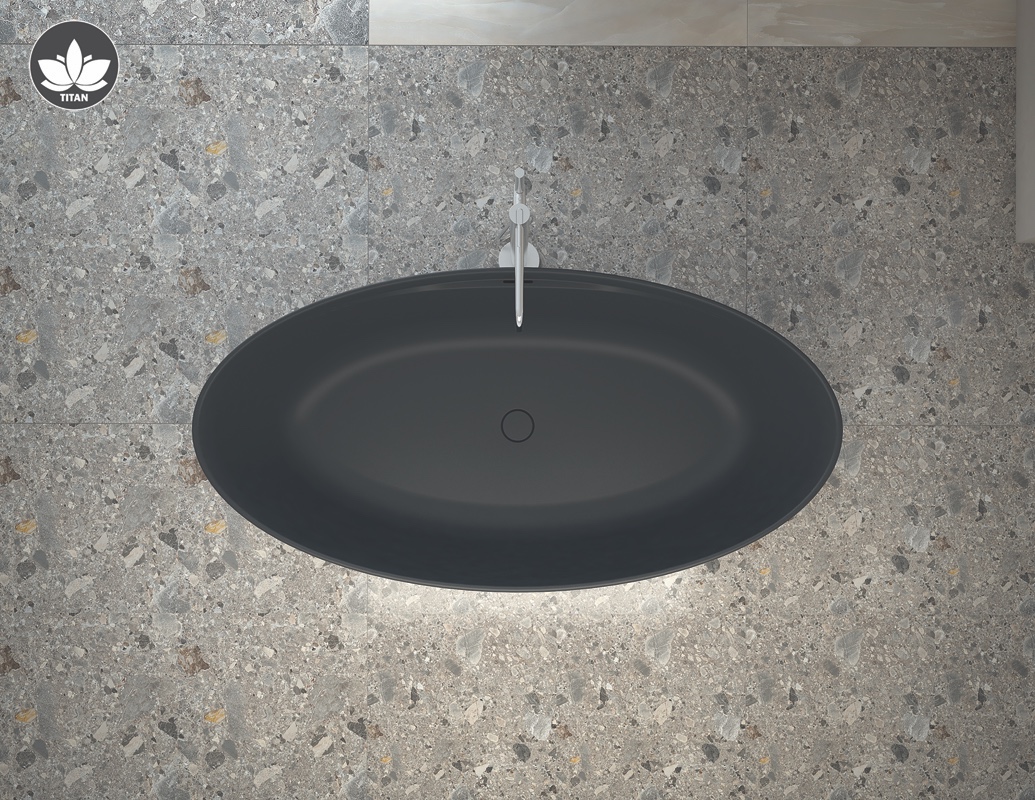
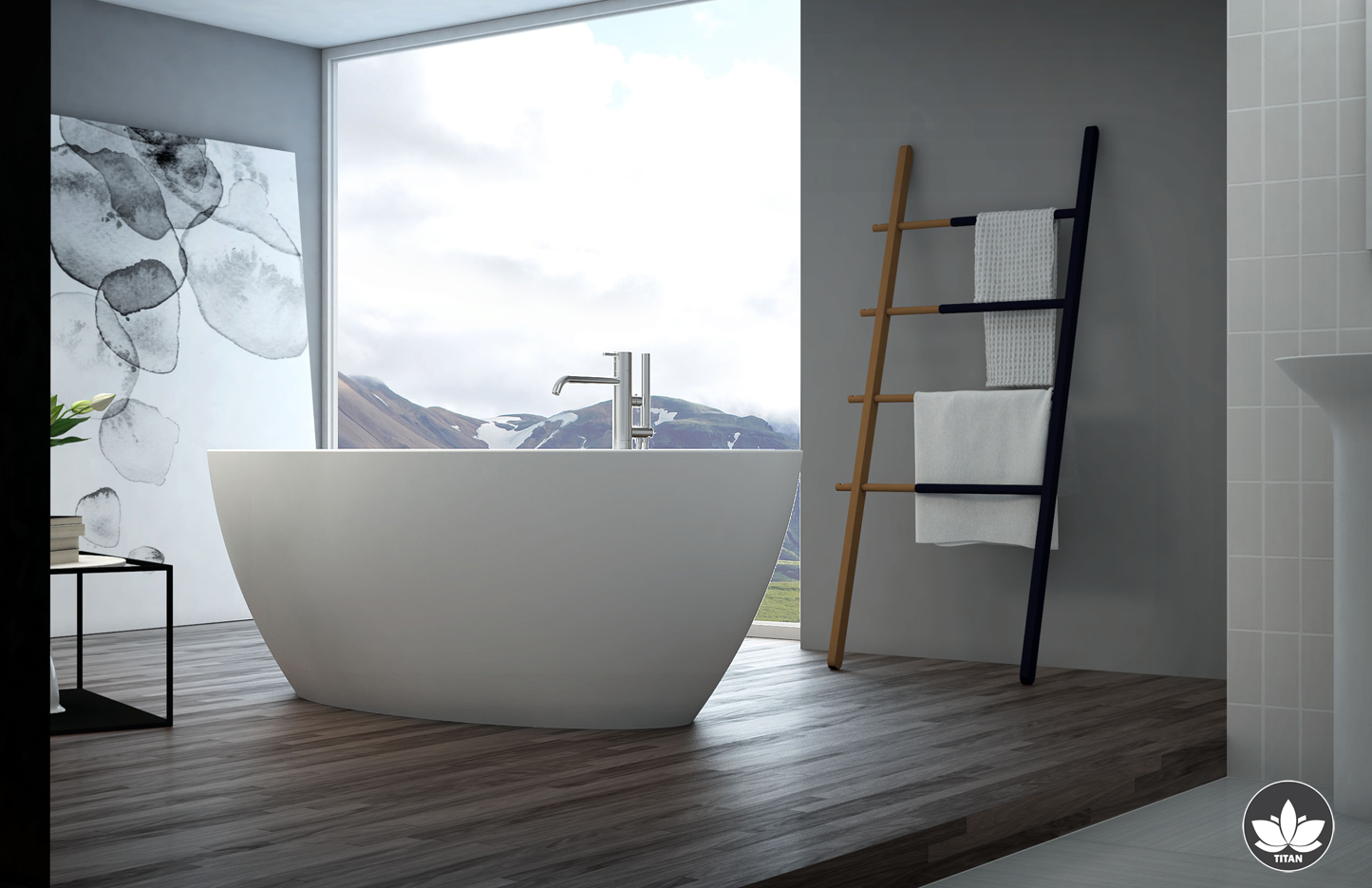
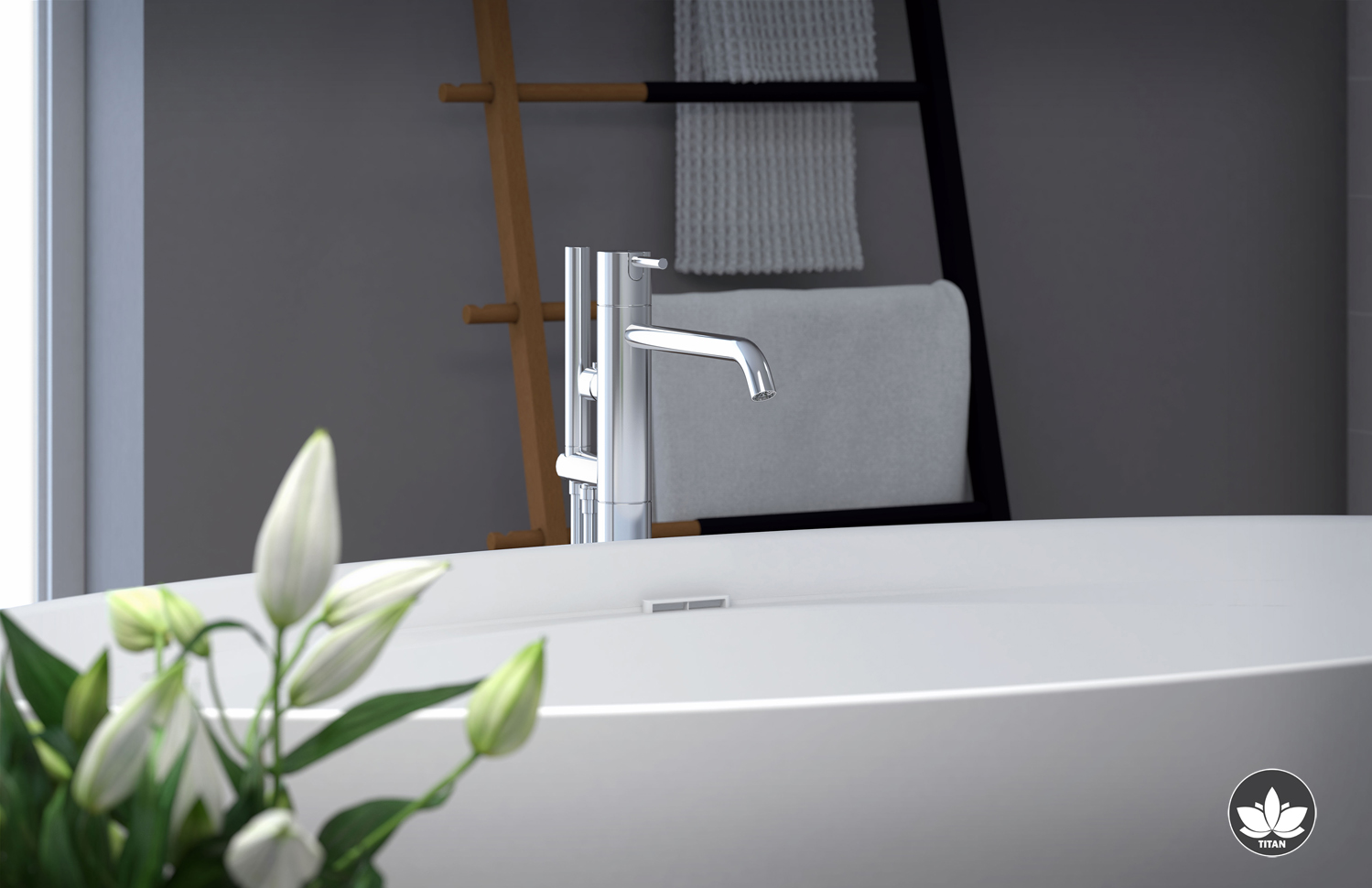
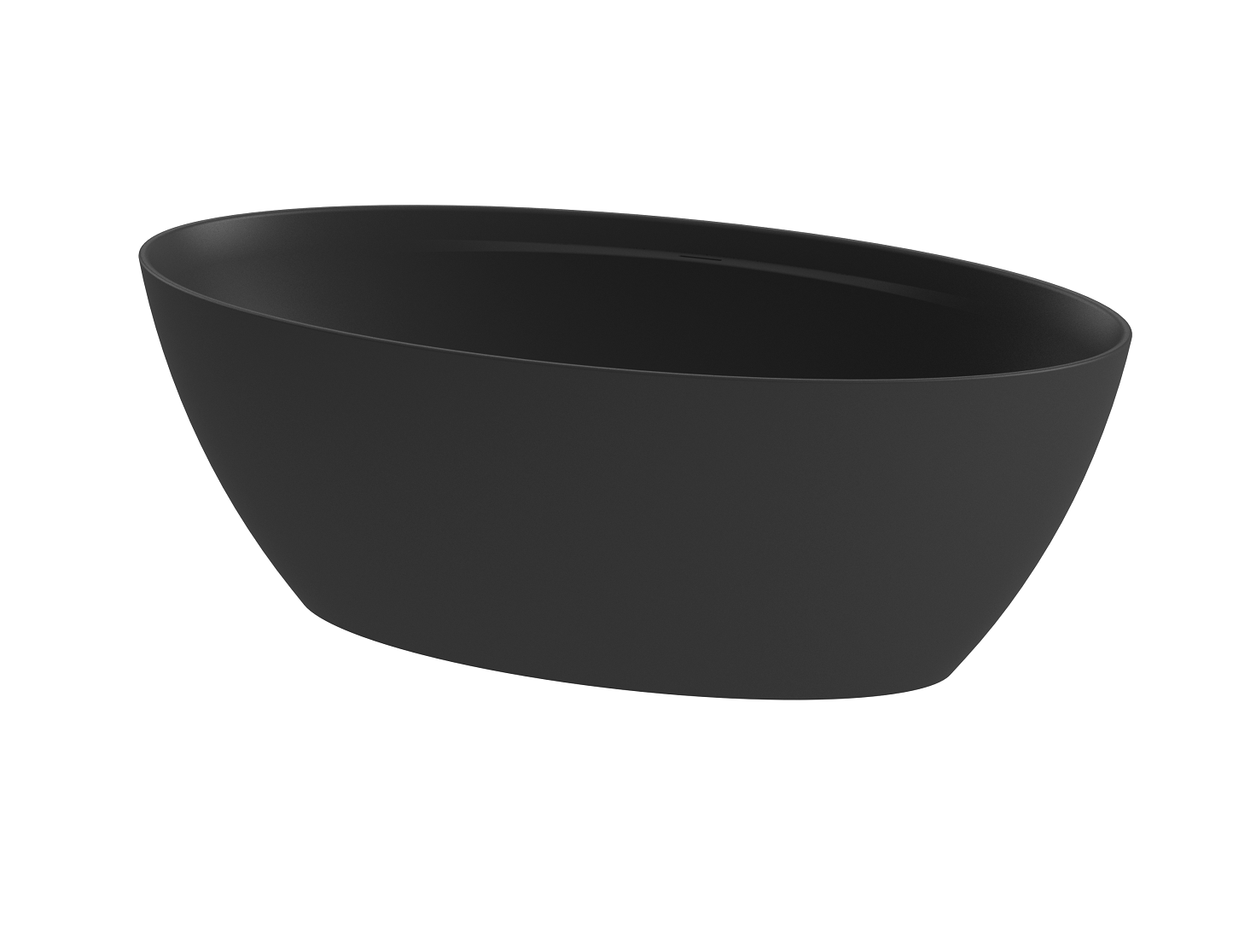
The compact yet extremely spacious Titan oval freestanding bathtub accentuates the attractive lines gained through careful processing of the ASTONE material.
| Shape |
Freestanding
|
|---|---|
| Material |
|
Dimensions
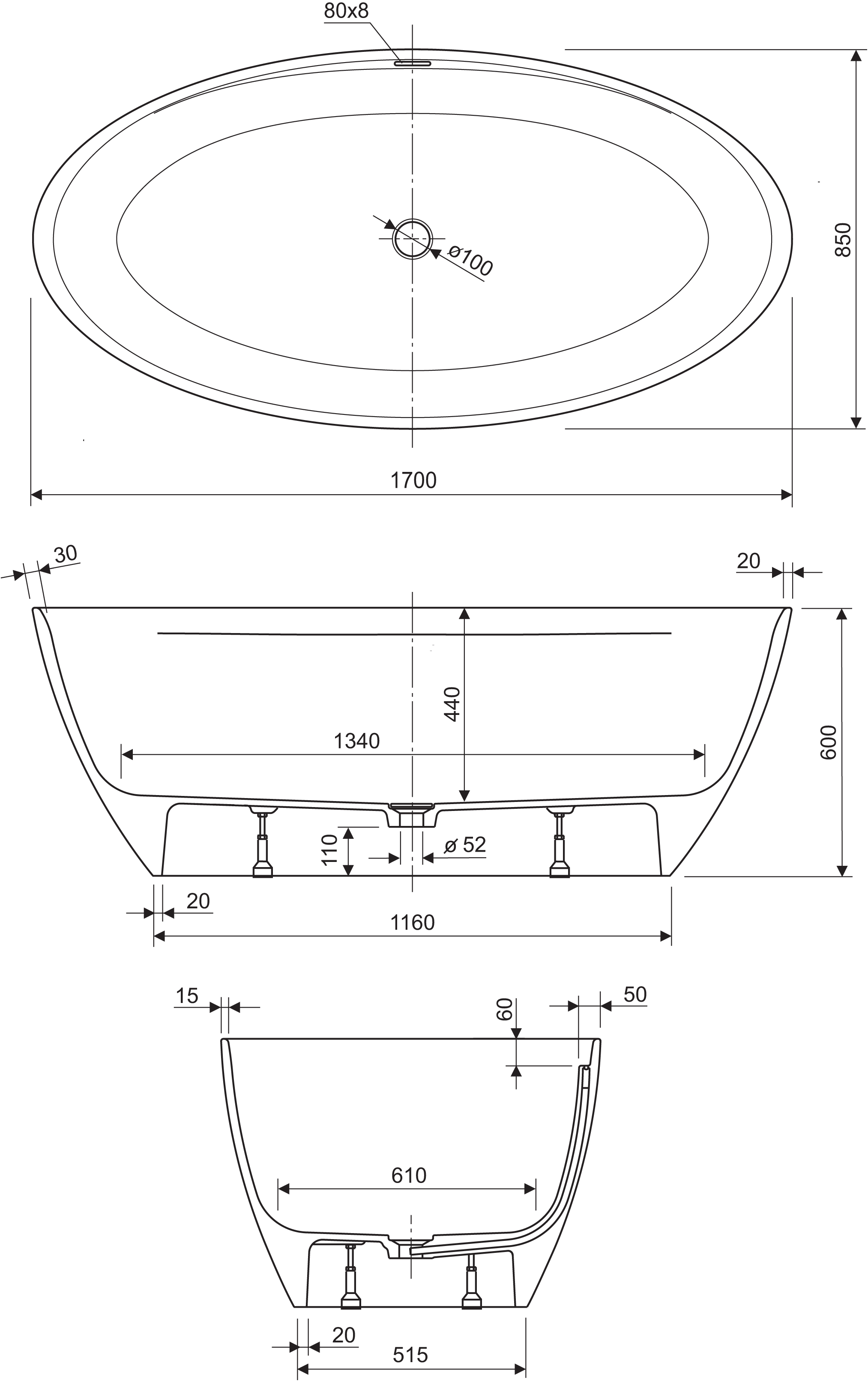
| Length (cm) | Width (cm) | Volume (l) |
|---|---|---|
| 170 | 85 | 260 |
Colors
Astone
-

White matte
-

Black matte


Mineral marble
-

White shiny

Technical information
Documentation
-
Technical sheet - TITAN
-
Warranty conditions and user instructions
-
Dimensional sketch - TITAN Oval
-
Installation instructions - TITAN Oval
-
DWG - TITAN Oval
-
TITAN Oval - IFC
-
TITAN Oval - RFA
Frequently asked questions
What material are bathtubs made of?
Aquaestil bathtubs are manufactured from 100% cast sanitary acrylic, ensuring durability and providing an exceptionally pleasant touch, ease of cleaning and maintenance, as well as the possibility of repairing the surface in case of eventual damage.
Exceptional in this regard are Aquaestil premium line Titan bathtubs, made from Astone solid surface composite material or cast marble. Astone composite bathtubs present a surface with a gentle silky texture in a matte finish, whereas cast marble bathtubs boast a flawlessly smooth surface with a glossy effect.
Can bathtubs be repaired in the event of surface damage?
Any potential surface damage on Aquaestil cast acrylic bathtubs is not a concern. The original surface condition of the bathtub can be restored through sanding and polishing the surface.
We advise entrusting the repair of any damages to an authorized Aquaestil service representative or a qualified professional.
Is it possible to retrofit a massage system onto a previously installed bathtub?
Retrofitting a massage system is not possible, as the necessary preparations for the massage system must be made during the manufacturing phase of the bathtub.
Cleaning and maintenance
MAINTENANCE aSTONE - SOLID SURFACE MATERIAL
NORMAL CLEANING
Solid Surface is non-porous so it can be easily cleaned with a damp cloth or sponge and mild detergents or general purpose cleaners. If you have a factory matt finish, abrasiv cleaners may also be used (mild cream abrasive cleaner). Periodically, it may also be helpful to go over the entire surface with an mild abrasive cleaner or a wet pad to maintan a uniform appearance.
SPILLS AND STAINS
While most everyday spills can be removed with the cleaning techniques mentioned previously, some troublesome spills and stains such as food/hair dye, tea and fruit drinks may require more aggresive cleaning.
If stains should persist, abrasive detergents can be used by rubbing these parts on the surface (with circular movements) with the rough side of a 2-sided sponge, then rinsing carefully with clear water.
DO NOT use sodium hypochlorite based products (bleach, hydrochloric acid solutions etc.) and/or natrium hydroxid based products (caustic soda etc.) and/or ammonium based products.
CIGARETTES
aSTONE Solid Surface will not burn, but should a lighted cigarette accidentally come in contact with the surface it could leave a nicotine stain or a scorch mark. Either of these can be removed with an abrasive cleaner or buffing with a pad.
DO NOT place hot pans directly from the burner or the oven on to the aSTONE Solid Surface. Even though aSTONE Solid Surface can withstand sustained temperatures up to 100º C, prolonged or extreme heat could cause yellowing and/or cracking.
DO NOT use your countertop as a cutting board. Although minor cuts and scratches can be repaired, deep cuts will require the services of a professional, which is an extra expense.
DO NOT expose to extreme temperature fluctuations. Boiling water should be drained into the sink together with cold water running. Rapid changes in water temperature may cause cracking.
Strong acid such as those found in drain cleaners, toilet bowl and oven cleaners should be used carefully around aSTONE Solid Surfaces. If aSTONE items are accidentally spilled, wipe them up at once, flush with clean lukewarm water and wipe with a clean sponge.
Avoid contact with harsh chemicals such as paint remover, bleach, acetone, etc.
REPAIRING SCRATCHES
For removing superfical scratches use a wet scouring pad or fine (400) grit sandpaper until the scratches are removed. Clean throughly with soap and water and let dry. Note: Deep scratches can be removed by first carefully sanding lightly with 120 grit sandpaper followed by 220-400 grit sandpaper. Then use a wet pad to restore the finish.